
SYNOVIENT MEDIA
July 28, 2025

January 6, 2025

November 7, 2024

November 21, 2024

July 8, 2024
October 28, 2024
Advancements with Ted Danson
Nov. 2, 2024
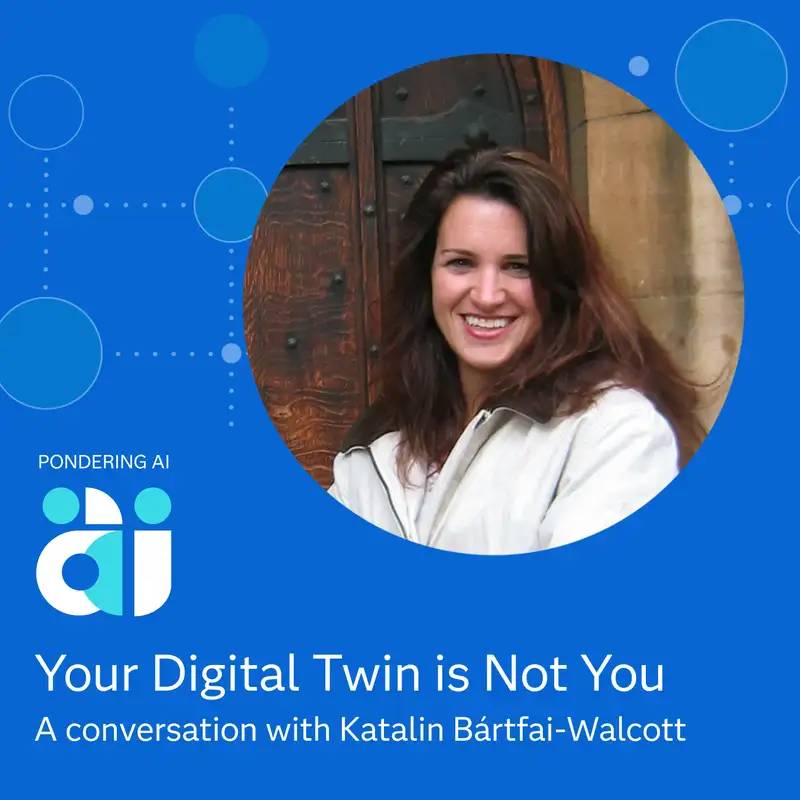
In this episode of Pondering AI, Synovient CTO Kati Walcott explains why your digital twin is not you and how today’s intention economy is built on prediction, not permission. Walcott breaks down how our clicks, purchases, sensors, and inferred data feed AI systems that construct synthetic digital identities optimized for monetization rather than human intent, privacy, or agency. She critiques personalization as a form of hidden constraint, warns that current digital twins serve platform interests over people, and calls for data sovereignty via “sovereign digital twins”—digital representations that embed consent, ownership, revocation, and enforceable rights directly into data objects. This conversation explores the future of AI governance, digital identity, and economic sovereignty, and why we must redesign data architecture now to keep humans, not algorithms, in control.


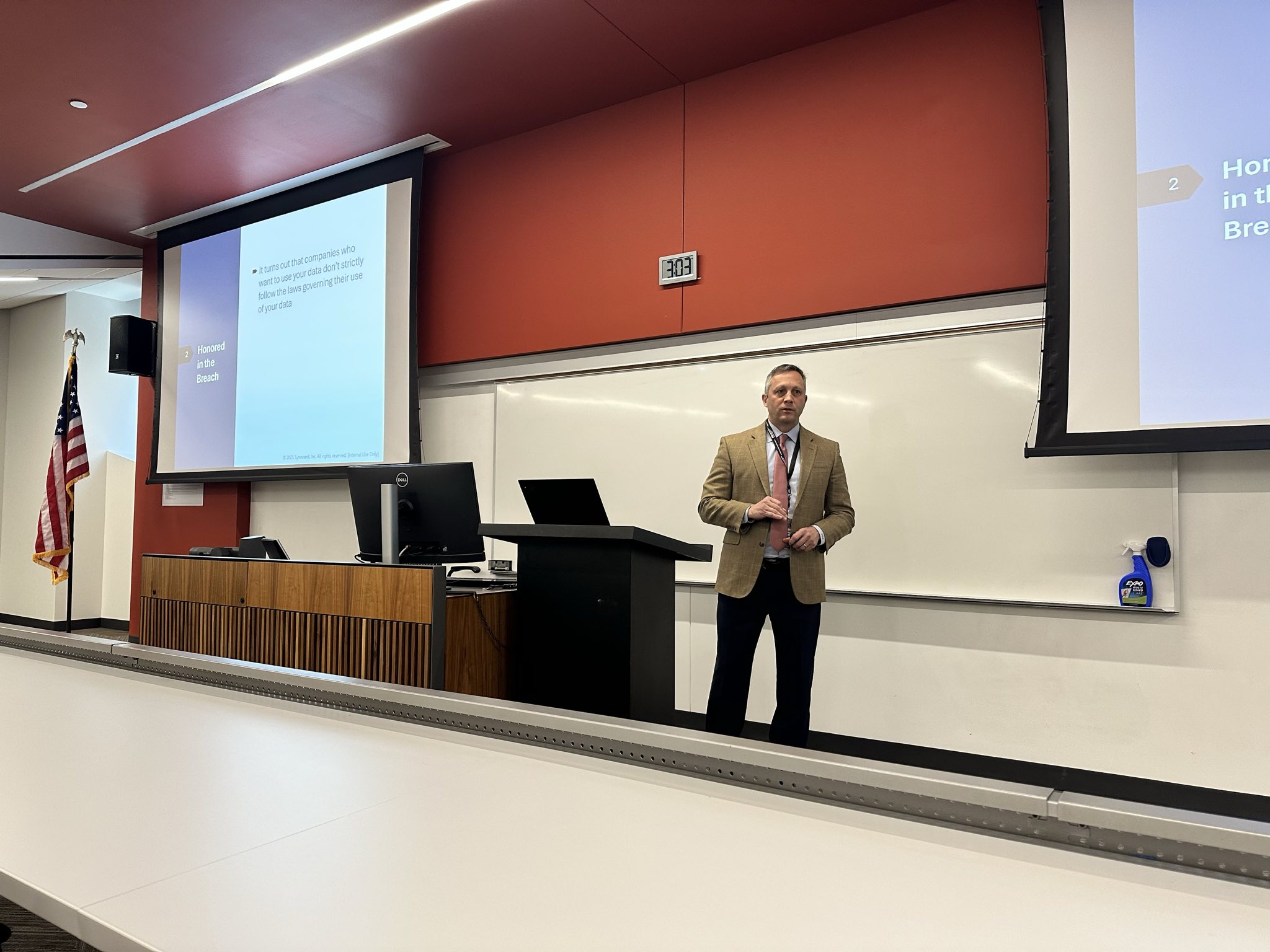
Tripp Lake Presents “Enforcing Data Agency: Bridging the Gap Between Legal Frameworks and Technological Reality”
Synovient CLO Tripp Lake presented “Enforcing Data Agency: Bridging the Gap Between Legal Frameworks ad Technological Reality” at the Arizona State University Sandra Day O’Connor College of Law Governance of Emerging Technologies and Science Conference in May 2025, co-authored with CTO Kati Walcott.

How AI Is Rewriting Digital Identity
and What Marketers Need to Know
Synovient CTO Kati Walcott was interviewed by Marketing Accountability Council. In the article, written by Jason Sanders, Kati says digital identity is shifting—from static profiles to behavior-driven data—and marketers need to adapt by building transparency and trust into how they use AI. She points out that marketers often misunderstand how AI actually works, especially regarding bias and data quality. Her advice: marketers and tech teams should collaborate early to ensure AI respects user privacy, consent, and control.